
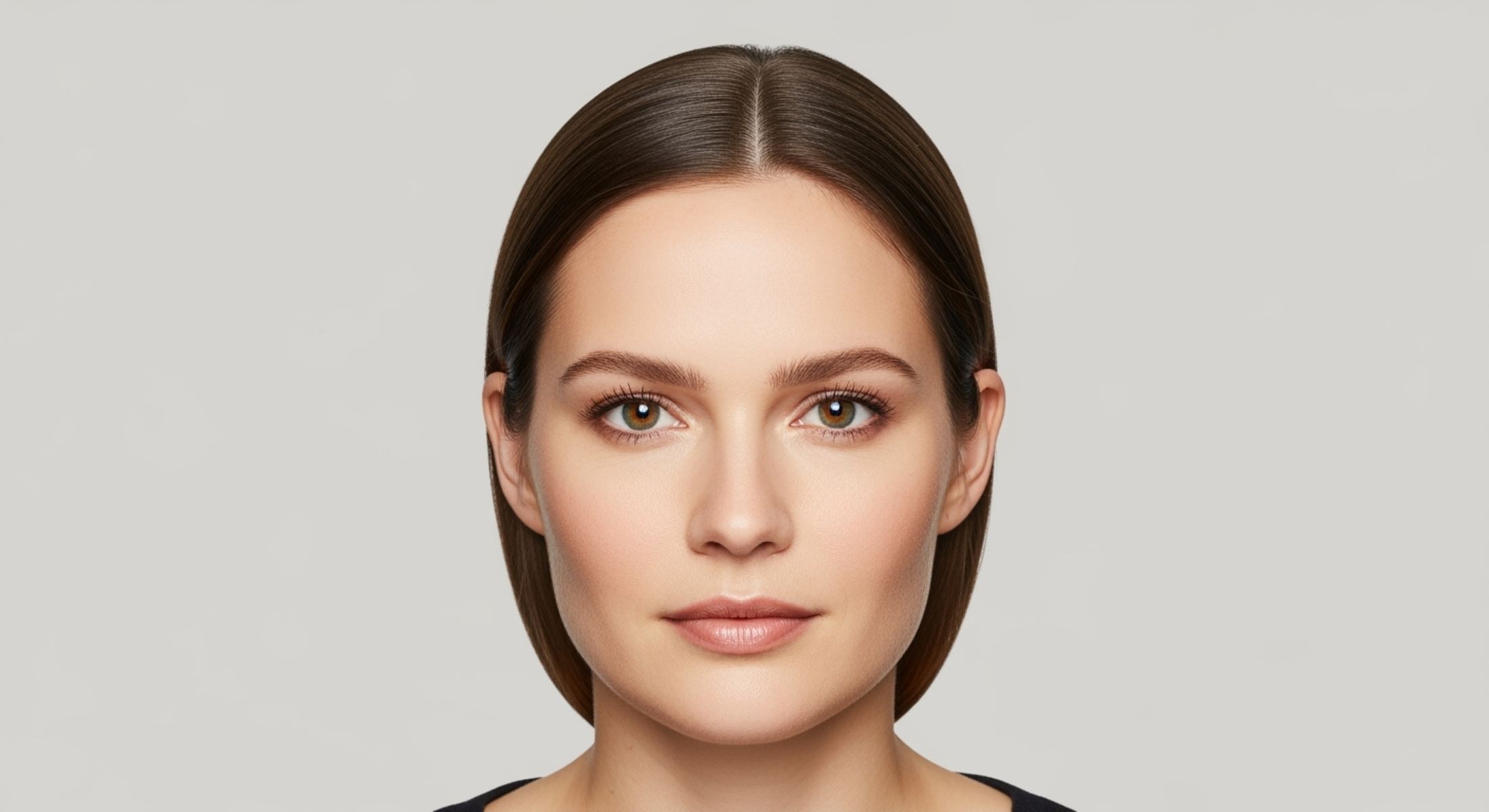
Passport photos are something most of us dread. They’re small, scrutinized, and somehow always manage to capture a version of yourself that doesn’t match your reflection in the mirror. But here’s the truth: you can look natural, approachable, and confident in passport photos without any tricks that scream “I tried too hard.” If you’re a woman aiming for that effortless look, here’s your ultimate guide.
Why Looking Natural in a Passport Photo Matters
You might think, “It’s just a passport photo, why care?” At first glance, it may seem like a tiny image tucked into a document that hardly anyone will notice. But passport photos are more than just snapshots—they’re official representations of who you are. Border officials and authorities rely on this image to verify your identity, so a clear, neutral, and natural appearance can prevent unnecessary delays or complications when traveling. A stiff or unnatural expression might not just look odd; in some cases, it could even cause issues with identification checks, especially when combined with different lighting conditions or aging. A natural look ensures that the person in the photo matches your real-life appearance as closely as possible.
Beyond official representation, passport photos contribute to a subtle first impression. While it might not be the kind of impression you give at a party or meeting, it still matters. A calm, neutral expression communicates reliability and approachability, even in such a small image. Imagine authorities having to glance at hundreds of passport images daily—the ones that look relaxed and composed can feel more “recognizable” and consistent. This may not affect your travel experience directly, but it’s a small factor that makes interactions smoother and avoids drawing unnecessary attention to your photo in official settings.
Looking natural also has a surprising psychological benefit: it boosts confidence. Let’s be honest, seeing yourself in a passport photo is often an unnerving experience. But if you take steps to ensure your photo captures your true appearance with a subtle, relaxed expression, it can make a difference in how you feel about the image. Even a slight improvement—a soft smile, neatly arranged hair, or minimal makeup that enhances rather than masks—can transform the tiny image into a version of yourself that feels authentic. That little boost of confidence can carry over into your travels or simply make you feel more comfortable presenting your ID when needed.
Finally, looking natural doesn’t mean you shouldn’t put in any effort. It’s a matter of balancing simplicity and preparedness. Thoughtful choices in skincare, hair, makeup, clothing, and posture all contribute to a polished yet authentic look. It’s about highlighting your best features without overdoing it or creating a look that feels forced. By approaching your passport photo with intention, you can showcase your true self in a way that is professional, approachable, and confident—all while maintaining the natural charm that makes your image genuinely you.
Skin Preparation Tips Before Your Passport Photo
| Step | Action | Purpose | Recommended Products/Methods | Extra Tips |
| Hydration | Drink plenty of water the day before | Reduces puffiness and gives skin a fresh glow | Plain water, herbal teas, fruit-infused water | Avoid excessive caffeine or alcohol, which dehydrates skin |
| Salt Intake | Limit salty foods | Prevents bloating and under-eye puffiness | Low-sodium meals, fresh fruits and vegetables | Eat potassium-rich foods like bananas to balance fluids |
| Moisturize | Apply light moisturizer before photo | Smooths skin, avoids dry patches | Gel or cream-based moisturizers, lightweight lotions | Focus on areas prone to dryness, like cheeks and forehead |
| Base Makeup | Apply BB cream or light foundation | Evens out skin tone without looking heavy | Mineral BB cream or lightweight foundation | Blend well around jawline and hairline for a natural finish |
| Minimal Makeup | Use concealer, neutral eyeshadow, mascara, natural lip tint | Enhances features subtly | Concealer for dark circles, soft brown eyeshadow, clear or brown mascara, nude lip balm | Avoid glitter, heavy eyeliner, or bold lipstick that looks harsh on camera |
Choosing the Right Hairstyle
Hair framing your face correctly can make a huge difference in how natural and confident you appear in a passport photo. Here’s a detailed list of tips to help you achieve the best look:
- Avoid Extreme Styles:
- Skip hairstyles that drastically change your face shape. Ultra-high buns, extreme side-swept bangs, or overly voluminous hair can distort how your face appears in a small photo.
- Avoid hairstyles that cover significant portions of your forehead or jawline, as passport photos require a clear, unobstructed view of your face.
- Keep in mind that symmetry matters; overly asymmetrical styles can make your face appear uneven in a tiny image.
- Keep It Neat and Simple:
- Ensure your hair does not cover your eyes, as authorities need both eyes clearly visible for identification purposes.
- Tame stray flyaways using a small amount of hair serum, smoothing cream, or a light hairspray. This avoids messy shadows or distractions in the photo.
- If your hair is long, consider tucking it behind your ears to create a clean and polished look. This also ensures that the natural shape of your face is visible.
- Avoid overly complex braids, twists, or layered styles that can cast shadows or create a cluttered appearance in the photo.
- Head Accessories:
- Passport regulations generally forbid headwear, except for religious or medical reasons, so avoid hats, headbands, or decorative clips.
- Keep any allowed accessories extremely minimal to ensure that the focus remains on your face.
- Avoid large earrings or hairpins that can distract from facial features or reflect light oddly in the photo.
- Color and Shine Considerations:
- Natural hair colors usually photograph best; extremely bright or reflective dyes can alter contrast and make facial features look unnatural.
- Use light products for shine rather than heavy gels or oils that might create glare under lighting.
- Final Touches Before the Photo:
- Comb or brush your hair carefully to remove knots or tangles.
- Step back and check how your hairstyle frames your face from different angles in a mirror.
- Ensure your hair looks natural and effortless—avoiding “too styled” or stiff appearances.
How to Pose Naturally
Even small adjustments in posture can completely transform the way you look in a passport photo. Standing or sitting with proper alignment helps prevent awkward angles and creates a more balanced, authentic image. One of the most important aspects is keeping your chin level and your neck elongated. Tilting your chin too high or too low can distort your facial proportions, while slightly lengthening your neck can prevent the appearance of a double chin and create a more elegant, natural look. Simple alignment adjustments like these make your face look more symmetrical and approachable in the small frame of a passport photo.
Relaxing your face is just as critical as posture. Forced expressions, exaggerated smiles, or frowns can make a photo look stiff and unnatural. A subtle, gentle smile—if allowed—can convey warmth and approachability without appearing overdone. Focusing on a pleasant thought or memory can naturally lift your facial muscles and soften your expression. Even a tiny shift in mood or mental state can change the entire vibe of your photo, making you appear more confident and relaxed.
Your eyes also play a key role in conveying naturalness. Looking directly at the camera with open, alert eyes creates a sense of engagement and authenticity. Avoid squinting or shifting your gaze away, as it can appear unintentional or uneasy. A calm, steady gaze, combined with relaxed facial muscles, gives the impression of confidence and readiness. These micro-adjustments might seem minor, but in the confined space of a passport photo, they make a substantial difference.
Finally, your shoulders and overall body posture contribute to the impression of naturalness. Keep your shoulders relaxed and avoid tensing them upward or hunching forward, which can make you look stiff or uncomfortable. Standing or sitting with a gentle, upright posture gives your whole frame a composed, effortless look. Remember, passport photos capture just a moment, but that moment can convey calm, confidence, and approachability if you pay attention to these subtle yet impactful details.
Clothing Tips for a Passport Photo
| Tip | Action | Purpose | Recommended Choices | Extra Tips |
| Choose Solid Colors | Opt for neutral or single-tone clothing | Keeps focus on your face instead of distracting patterns | Navy, grey, white, beige, soft pastels | Avoid bold stripes, checks, or large prints that draw attention away from your face |
| Neckline Matters | Pick necklines that flatter your neck and shoulders | Elongates the neck and frames the face | Round neck, V-neck, scoop neck | Avoid turtlenecks or very high collars that can make your neck appear shorter |
| Avoid Reflective Fabrics | Choose matte materials over shiny ones | Prevents glare and unnatural light reflections on your skin | Cotton, linen, soft wool blends | Test fabrics under light before the photo to see how they reflect |
| Minimal Accessories | Keep jewelry simple or avoid it entirely | Ensures focus remains on your face | Small stud earrings, no necklaces, no hats | Avoid large, shiny, or dangling jewelry that can distract or reflect light |
| Color Coordination | Pick colors that complement your skin tone | Enhances natural complexion without overpowering | Soft neutrals or muted tones based on your undertone | Avoid overly bright or neon colors that can affect camera exposure |
Lighting and Environment Considerations
Good lighting and the right environment are crucial for achieving a natural look in a passport photo. Small adjustments can dramatically improve the way your face appears on camera. Here’s a comprehensive list of tips to ensure your photo looks polished and authentic:
- Use Natural Light Whenever Possible:
- Position yourself facing a window to take advantage of soft, even natural light.
- Avoid direct sunlight hitting your face, as it can create harsh shadows or squinting.
- Natural light produces true-to-life skin tones and reduces the need for heavy makeup or filters.
- Avoid Harsh Overhead Lighting:
- Overhead lights can create unflattering shadows under your eyes, nose, and chin.
- If indoor lighting is necessary, use multiple light sources to evenly illuminate your face.
- Soft, diffused lighting works best to minimize blemishes and highlight your natural features.
- Choose a Neutral Background:
- Most passport photo regulations require plain white or off-white backgrounds.
- Avoid patterned walls, curtains, or clutter that can distract from your face.
- Ensure the background is smooth and consistent, as shadows or textures can interfere with official guidelines.
- Check for Shadows:
- Make sure there are no shadows cast on the wall behind you.
- Avoid positioning lights too close to the camera, which can create unwanted reflections or shadows.
- Even a small shadow can make your photo appear unprofessional or non-compliant with official standards.
- Consider the Time of Day:
- Natural lighting changes throughout the day; morning or late afternoon light tends to be softer and more flattering than midday sun.
- Adjust your positioning relative to the window to get the most even light across your face.
- Test Before Taking the Photo:
- Take a few trial shots to check lighting, shadows, and background consistency.
- Adjust your posture, distance from the light, or background if anything looks off.
- Small tweaks can make a big difference in the overall natural appearance of the photo.
Eye Positioning and Expression
The eyes are often called the windows to the soul, and in a passport photo, they communicate subtle cues about confidence, calmness, and approachability. Even in a tiny image, the way your eyes appear can significantly affect the overall impression of your photo. Keeping both eyes open, evenly visible, and aligned with the camera lens ensures that your gaze looks natural and engaging. Squinting, tilting your head too much, or looking away can make the photo appear less professional and even slightly unnatural. The goal is a calm, composed expression that matches the neutral requirements of official documents while still reflecting your personality.
Looking straight into the camera may feel awkward at first, but it is crucial for a successful passport photo. Your eyes should appear alert but relaxed, conveying a sense of attentiveness without tension. Positioning your head squarely and keeping your gaze forward helps avoid unintended distortions or asymmetry that sometimes occurs when tilting or turning the head. A direct gaze also ensures that authorities can clearly match your eyes with your real-life appearance, reducing the risk of delays or complications during identification checks.
Expression plays a pivotal role in conveying naturalness. A subtle, slight upward curve of the lips—rather than a broad smile or a neutral frown—can create a friendly and approachable impression. This small adjustment makes a significant difference in how relaxed and confident you appear. Thinking of a pleasant thought, such as a happy memory or a calming scenario, can naturally lift your facial muscles, producing a more genuine expression. These mental cues help prevent a stiff, forced look that often appears in quick or high-pressure photo sessions.
Finally, combining relaxed eyes with a controlled, gentle expression completes the natural look. Avoid exaggerated gestures, wide smiles, or dramatic eyebrow movements, which can look unnatural in the small, static format of a passport photo. By focusing on a calm gaze, symmetrical eye placement, and a subtle lip curve, you create a harmonious and authentic facial presentation. This careful balance ensures that your passport photo not only meets official requirements but also captures your natural confidence and personality, even in such a brief, formal snapshot.