
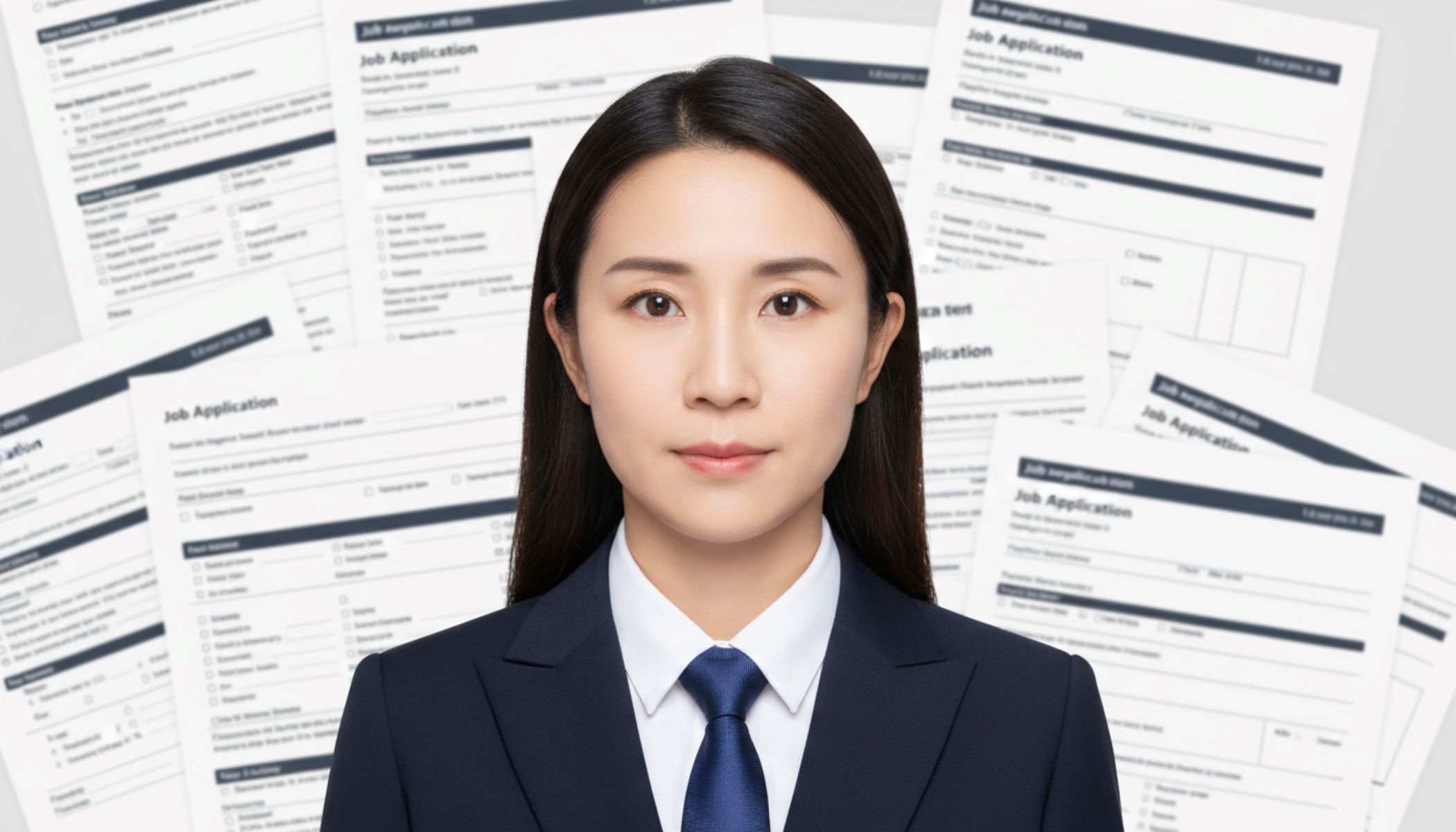
When it comes to official documentation, many of us have wondered: Can I use a single photograph for multiple documents? Whether it’s passports, ID cards, or job applications, this question pops up frequently. In this article, we’ll explore the answer thoroughly, discuss the regulations, best practices, and the pros and cons of reusing photos across documents.
Understanding Document Photo Requirements
Every official document, whether it’s a passport, driver’s license, visa, or an ID card, comes with its own strict set of photo guidelines. These guidelines are not arbitrary; they are designed to ensure that your photograph is clearly recognizable, standardized, and compliant with legal and administrative requirements. The main goal is to make sure that authorities can accurately verify your identity whenever necessary. While it may seem convenient to use the same photograph for multiple documents, the reality is that differences in size, background, and technical requirements often make this impossible without careful adjustments. Ignoring these rules can lead to delays, rejected applications, or even legal complications.
Photo guidelines exist primarily to maintain identity verification and security. For instance, passport and visa photos are used by immigration authorities to confirm that the person presenting the document is indeed who they claim to be. Standardized photos also play a crucial role in reducing fraud and preventing identity theft, as altered or inconsistent images are easier to detect when compared across official databases. Moreover, when multiple institutions reference the same photo, such as banks, government offices, or educational institutions, having a consistent image ensures that records remain uniform and traceable, which simplifies administrative processes and protects against errors.
Different types of documents have their own specific photo requirements, and it’s important to be aware of these distinctions before submitting any application. For example, a passport photo typically requires a 2×2 inch image with a white background and a neutral expression, and it must be taken within the last six months to accurately reflect your current appearance. Driver’s licenses vary by state but generally ask for a plain background and neutral expression, while digital submission options are sometimes available. Visa photos are often 35×45 mm, with requirements differing slightly depending on the issuing country, including background color, head positioning, and expression guidelines. ID cards and school or college IDs tend to be more flexible, sometimes allowing recent passport photos as a substitute, though specific rules can still apply.
It’s not enough to simply take a “good picture” and assume it will work for all documents. Even subtle differences in lighting, background, or facial expression can result in rejection. Therefore, it’s crucial to check the official guidelines for each document type before submitting your photo. Using a professional photo studio or reliable online tools can help ensure your images meet the required standards, saving you from wasted time, additional expenses, and application delays. Taking the time to understand these requirements also helps maintain the integrity of your documents and ensures that your identity can be verified smoothly whenever necessary.
Can You Use the Same Photo for Multiple Documents?
| Document Type | Can One Photo Be Used? | Conditions/Requirements | Potential Issues | Notes/Recommendations |
| Passport | Sometimes | Photo must be recent (within 6 months), neutral expression, plain background | May not meet visa-specific requirements | High-quality digital copy recommended |
| Driver’s License | Yes, if aligned with passport photo | Background and head position must comply with state regulations | Some states may reject photos not specifically taken for license | Verify state-specific dimensions before submission |
| School/College ID | Often | Recent photo, plain/light background, neutral or slight smile | May be rejected if too old or heavily edited | Passport photo can usually be reused |
| Job Application Forms | Yes | High-resolution image, professional appearance, neutral or slight smile | Some companies may have their own photo policies | Digital photo can be uploaded in multiple formats (JPEG, PNG, PDF) |
| Visa | Rarely | Strict biometric requirements, specific dimensions, neutral expression | Passport photo may not meet all visa standards | Always check the country-specific guidelines before using an existing photo |
Digital vs Physical Photos
- Digital photos provide flexibility for multiple documents.
Digital images can be resized, cropped, or adjusted to fit different document specifications without having to retake the photo. This makes them highly convenient for applications where the same photo might be used more than once. - High-resolution digital photos are essential.
Using a high-resolution original ensures that when you crop or resize the image, it remains clear and sharp. Low-quality images can appear blurry or pixelated, which may result in rejection for official documents. - Editing digital photos must be done carefully.
Tools like Photoshop, Canva, or online passport photo editors allow you to adjust lighting, remove shadows, and crop images to meet size requirements. However, over-editing or altering facial features can lead to rejection or be considered fraudulent. - Digital photos can be stored and reused easily.
Once you have a high-quality digital copy, it can be saved in multiple formats such as JPEG, PNG, or PDF. This makes it easy to submit the same photo for different applications without repeated photo sessions. - Printed photos are necessary for many official documents.
While digital copies are convenient, some institutions still require printed photos. For example, passport offices, certain visa applications, and school ID offices may insist on freshly printed images. - Printed photos can degrade over time.
Physical photos may fade, get damaged, or lose color quality, especially if not printed on high-quality paper. This can make them unsuitable for repeated use across multiple documents. - Some institutions do not accept photocopies of printed photos.
Using previously printed photos or photocopies may lead to rejection. Many official authorities require freshly printed photos from a certified studio to ensure authenticity. - Passport photos usually need to be freshly printed.
Even if you have a high-quality digital copy, passport photos often need to be printed by certified studios to meet strict standards for color, size, and paper quality. - Digital submissions are becoming more common.
Some documents, such as driver’s licenses and job applications, now allow online submissions of digital photos. This reduces the need for physical prints but still requires strict adherence to quality and format guidelines. - Balancing digital and physical photo use is key.
Keeping both a high-resolution digital copy and a set of freshly printed photos ensures you’re prepared for any document requirements. This approach saves time, money, and reduces the risk of photo rejection.
Legal Implications of Reusing Photos
Using the same photo for multiple official documents is generally permissible under the law, provided certain conditions are met. The primary requirement is that the photograph must be your own original image, reflecting your true appearance. It must not be taken from someone else, nor should it contain elements that could misrepresent your identity. Additionally, the photo should comply with the specific guidelines of each document, including size, background, expression, and clarity. Following these rules ensures that your photo is legally acceptable and avoids unnecessary complications during verification processes.
However, even when using your own photo, there are several legal risks to consider. One major concern is the age of the photo. Many documents, such as passports or visas, require photos to be recent—often taken within the last six months. Using an older image that no longer accurately reflects your current appearance could result in application rejection. From a legal standpoint, submitting outdated photos may be seen as failing to meet official requirements, potentially delaying approvals or causing administrative issues.
Another critical consideration is alteration of photos. Adjusting lighting, cropping, or minor editing is usually acceptable, but altering facial features or digitally modifying your appearance to an extent that misleads authorities can be considered fraudulent. Legal systems treat falsified documentation seriously, and submitting altered photos could lead to rejection, fines, or even accusations of identity misrepresentation. It’s always safest to ensure your photo is authentic and true to your current appearance, maintaining both compliance and credibility.
Finally, while reusing a photo can save time and effort, it’s important to approach this practice with caution and awareness of each document’s specific rules. Different institutions may have distinct requirements, and what works for a driver’s license may not meet the stringent standards of a visa or passport application. Staying informed about these guidelines, keeping your photos up-to-date, and avoiding any misleading alterations are key steps to legally and safely reusing photos across multiple documents. By doing so, you protect yourself from administrative setbacks and potential legal consequences.
Benefits of Using One Photo for Multiple Documents
| Benefit | Description | Practical Example | Potential Impact | Notes/Recommendations |
| Convenience | Using a single photo for multiple documents saves time and effort since you don’t need to retake photos for each application. | A single passport photo is reused for a driver’s license and school ID. | Reduces repeated trips to photo studios and minimizes administrative hassle. | Keep a high-quality digital copy for easy reuse. |
| Consistency | Ensures your identity looks the same across all official records, reducing confusion during verification. | Banks, government offices, and travel agencies reference the same image for verification purposes. | Streamlines identity verification processes and reduces mismatched records. | Ensure the photo meets the requirements of all intended documents. |
| Cost-Effective | Professional photos can be expensive; using one photo for several documents cuts costs significantly. | Paying once for a high-quality passport photo instead of multiple sessions for different IDs. | Saves money on printing, editing, and professional photography services. | Invest in a professional-quality photo initially to maximize long-term savings. |
| Time-Saving | Eliminates the need for multiple photo sessions, especially when deadlines for documents overlap. | Applying for a job, passport renewal, and college ID simultaneously using one photo. | Speeds up application processes and reduces stress. | Maintain digital backups to avoid last-minute photo issues. |
| Reliability | A single, professionally taken photo is likely to meet the quality standards of multiple documents. | Certified studio photo used across passport, visa, and driving license applications. | Increases chances of photo acceptance and reduces rejections. | Verify official guidelines before reusing the photo to ensure compliance. |
Drawbacks of Reusing a Photo
- Photo rejection is a common risk.
Even if the photo is your own, it may not meet the specific criteria required by different documents. For instance, passports and visas often require precise dimensions, lighting, and head positioning, and failure to comply can lead to automatic rejection. Some documents also require biometric-friendly images suitable for facial recognition technology, which an older or generic photo may not meet. - Outdated appearance can cause problems.
Photos older than six months may no longer accurately represent your current look. Changes in hairstyle, facial hair, weight, or other facial features can result in your photo being rejected, especially for official documents like passports and driver’s licenses. Authorities rely on up-to-date images to verify identity, so even minor differences can become an issue. - Security concerns are a serious consideration.
Using the same photo across multiple documents increases the risk of identity theft. If someone gains access to one of your documents, they may be able to misuse the image for fraudulent purposes. Some institutions intentionally request unique or freshly taken photos to enhance security and reduce the likelihood of impersonation. - Reduced flexibility for specialized requirements.
Not all documents accept the same style of photo. Certain visas, government IDs, or professional certifications have strict guidelines that may conflict with your previously used image. Attempting to reuse a photo without verifying requirements can lead to repeated applications, wasted time, and additional costs. - Potential administrative delays.
If a reused photo is rejected, you may need to retake and resubmit a new photo, causing delays in processing your documents. This can be particularly problematic when deadlines are tight for visas, job applications, or educational enrollments. - Professional appearance may be compromised.
While one photo may be convenient, it may not always suit the tone or purpose of every document. A passport-style neutral expression may look too formal for a professional ID or social institution, making it less appropriate for some applications. - Legal or compliance issues in extreme cases.
Altering or submitting an inappropriate photo can sometimes be considered non-compliance with document regulations. In rare cases, intentionally misrepresenting your appearance can even be flagged as fraudulent activity, leading to legal consequences or application denial. - Long-term tracking issues.
If multiple institutions rely on the same photo, any changes in appearance over time may create inconsistencies in records. This can complicate verification processes for background checks, security clearance, or identity confirmation across multiple agencies.